
Why Is It So Hard to Say No?
Echo, what kind of person finds it difficult to say no?
Someone asked me this recently.
And my honest response?
“I’m not sure - it really depends.”
Because even though the behaviour looks the same on the surface - saying yes to everything, struggling to set boundaries, taking on more without letting anything go - the reasons underneath can be completely different for each person.
After coaching so many leaders and professionals across these patterns, one thing is clear: If we treat them the same, we miss the root.
We end up coaching the behaviour, not the driver.
So instead of jumping straight into tools and techniques for “the 101 magical ways to say no” (as if a list could fix everything), let’s go one step deeper.
Let’s explore why saying no is so hard for you.
1. The Opportunity Seekers: High Risk Orientation
Some people genuinely light up when they see something new.
A fresh project.
A challenge.
A chance to stretch themselves.
Their instinctive response is yes because the idea of trying something new feels energising.
It’s not about boundaries — it’s about appetite.
And when this sits alongside high achievement orientation, the pattern becomes even stronger:
They want to try everything
They want to complete everything
They find it hard to let go of anything
It’s enthusiasm meeting ambition.
2. The Learners: High Learning Orientation
This is a different flavour.
People with high learning orientation say yes because they don’t want to miss out on growth.
A workshop, a committee, a collaboration — it all feels like a learning opportunity.
Saying no feels like closing a door on potential.
3. The Harmonisers: Low Interpersonal Confidence
For others, the difficulty has nothing to do with opportunity or excitement.
It’s about people.
Rejecting someone feels uncomfortable.
They worry about disappointing others, creating tension, or being judged.
Saying yes becomes a way to maintain harmony or avoid discomfort.
It’s not the task they’re responding to — it’s the relationship.
4. The Over‑Accommodators: Low Life Control
Some individuals don’t feel they have much choice.
They say yes because they believe they should, not because they want to.
Boundaries feel unfamiliar when you’re used to accommodating everyone else.
So… what kind of person finds it hard to say no?
That’s exactly the point.
There isn’t one kind.
Two people can show the same behaviour but have completely different psychological drivers.
And if we coach them as if they’re the same, we’re blindfolded.
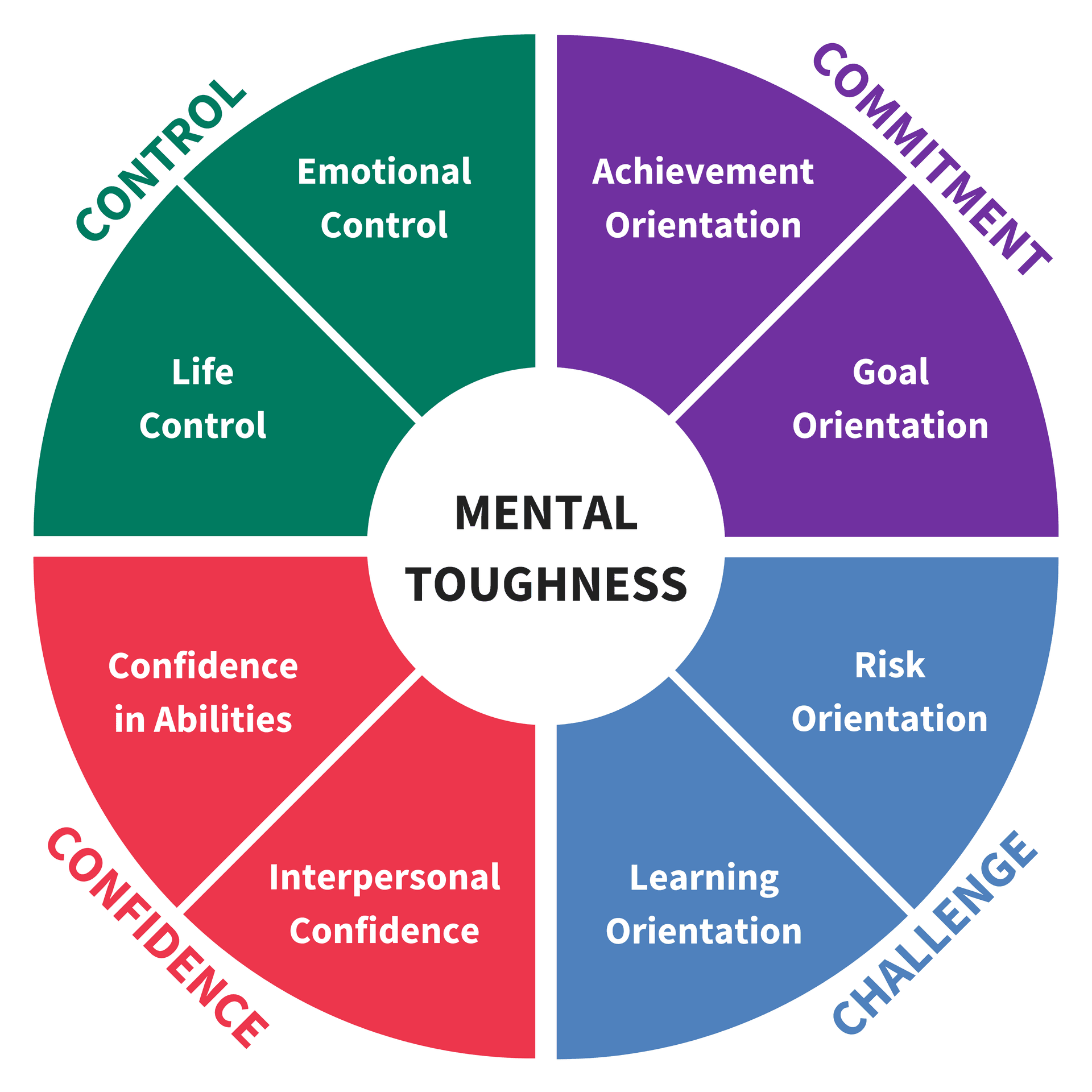
This is where the MTQPlus framework becomes incredibly powerful.
It helps us understand the why behind the behaviour - not just the behaviour itself.
Because giving someone the “how to say no” techniques without understanding their underlying mental toughness profile is like prescribing the same medicine to every patient.
It’s one size fits all.
And most of the time, it doesn’t work.
If you’re curious about exploring your own patterns - or supporting your team or students in understanding theirs - MTQPlus offers a clear, evidence‑based way to uncover the root causes.
#mentalhealth #mentaltoughness #leadershipdevelopment #coaching #boundaries #selfawareness #MTQPlus #resilience #personaldevelopment