
The Role of Mindfulness in Modern Leadership: Insights for Singaporean Executives
The Importance of Mindfulness in Leadership
In today's fast-paced business environment, the role of mindfulness in leadership is becoming increasingly significant. For Singaporean executives, embracing mindfulness can lead to improved decision-making, better stress management, and enhanced team dynamics. By cultivating a mindful approach, leaders can navigate challenges with clarity and composure.
Mindfulness, at its core, involves being present in the moment and maintaining awareness of thoughts and emotions without judgment. This practice can be particularly beneficial for leaders who are often required to make quick decisions under pressure.

Enhancing Decision-Making Skills
Mindful leaders tend to make more informed and balanced decisions. By focusing on the present, they can evaluate situations more objectively without being clouded by past experiences or future anxieties. This clarity allows for more strategic thinking and effective problem-solving, which is crucial in high-stakes environments.
Singaporean executives who integrate mindfulness into their leadership style often find that they are better equipped to assess risks and opportunities. This approach fosters a culture of thoughtful deliberation and innovation within their organizations.
Stress Management and Emotional Resilience
Leadership roles are inherently stressful, and mindfulness offers a powerful tool for managing this stress. By practicing mindfulness, executives can develop greater emotional resilience, allowing them to handle challenges with grace and poise. This resilience not only benefits the leaders themselves but also sets a positive example for their teams.
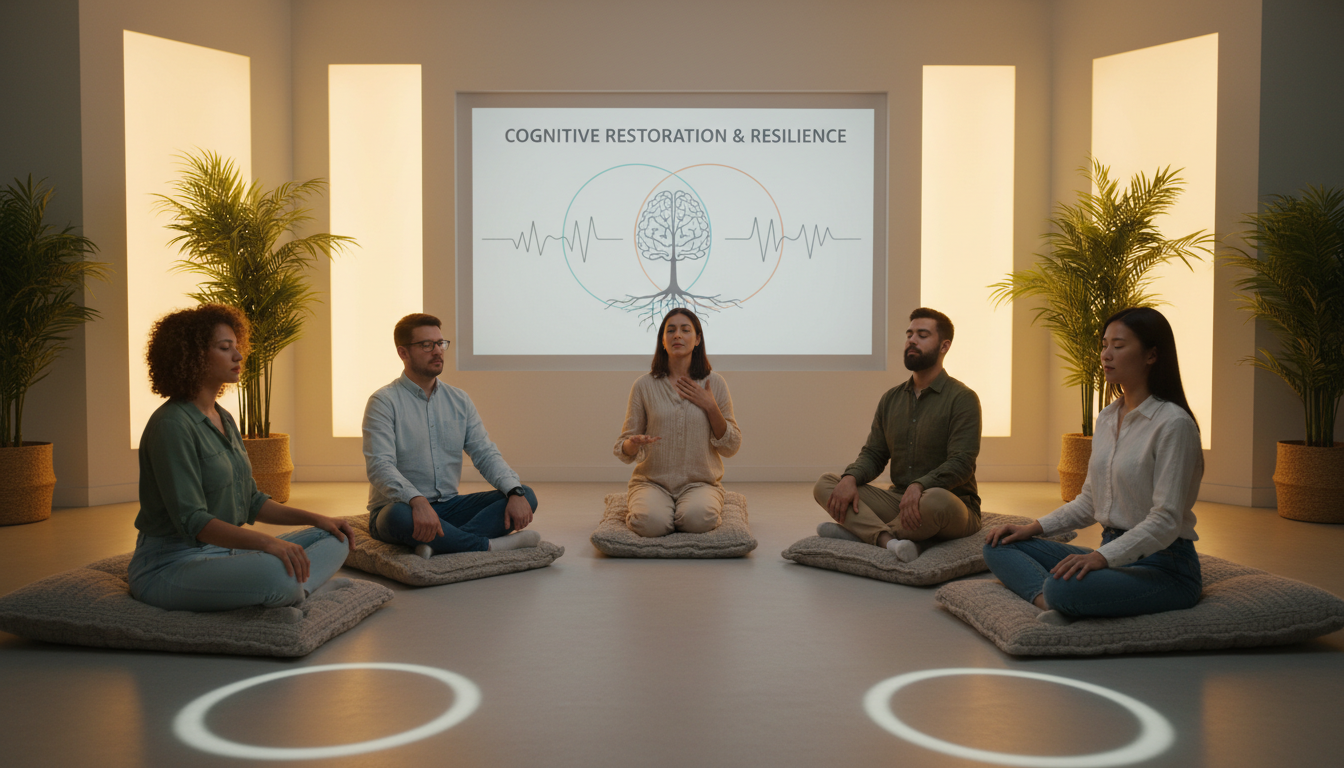
Implementing mindfulness techniques, such as meditation and deep-breathing exercises, can help leaders maintain a calm and composed demeanor even in the most demanding situations. This emotional stability is essential for maintaining clear communication and fostering trust within the organization.
Building Stronger Teams
Mindful leadership also plays a pivotal role in building stronger, more cohesive teams. Leaders who practice mindfulness are more attuned to the needs and emotions of their team members, which enhances empathy and understanding. This awareness fosters a supportive and collaborative work environment.
By promoting mindfulness within their teams, leaders can encourage open communication and mutual respect. This not only boosts morale but also drives productivity and creativity, as team members feel valued and heard.

Implementing Mindfulness Practices
For Singaporean executives looking to incorporate mindfulness into their leadership strategy, several practices can be beneficial:
- Meditation: Regular meditation sessions can help clear the mind and improve focus.
- Mindful Listening: Paying full attention to conversations without interrupting fosters better communication.
- Gratitude Journaling: Reflecting on positive aspects of life can shift focus away from stressors.
In conclusion, the integration of mindfulness into leadership practices offers numerous benefits for executives and their organizations. By embracing mindfulness, Singaporean leaders can enhance their decision-making abilities, manage stress more effectively, and build stronger, more resilient teams. As the business landscape continues to evolve, the role of mindfulness in leadership will undoubtedly become even more crucial.